
The Monticello Chess Set
Featured Chess
News
Published on: July 7, 2026
The WCHOF’s Featured Set program features beautiful, offbeat, or unique chess sets from the museum’s collection. It also offers visitors from the Saint Louis area the opportunity to display special sets from their own collections for a month, highlighting collectors and the stories of how chess has played a role in their lives.
Exploring American History One Move at a Time
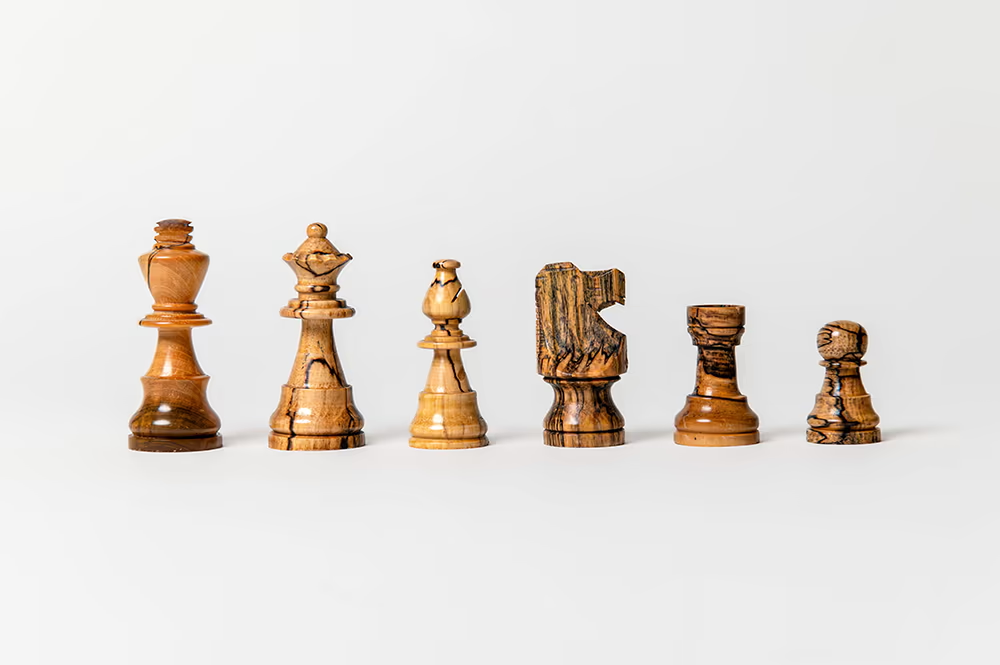
The World Chess Hall of Fame & Galleries celebrates the 250th anniversary of the signing of the Declaration of Independence through its presentation of July’s featured set, which is fashioned from a tree at Monticello, the home of Thomas Jefferson. Jefferson was the primary author of the Declaration of Independence and the third president of the United States, serving from 1801 to 1809. In 1803, Jefferson orchestrated the Louisiana Purchase, which nearly doubled the size of the United States. This also marked when Saint Louis, today the home of the World Chess Hall of Fame & Galleries, became part of the country. The set is part of the collection of Dr. Jeanne Cairns Sinquefield and Rex Sinquefield, the co-founders of the Saint Louis Chess Campus and inductees to the U.S. Chess Hall of Fame. Part of the WCHOF’s Featured Chess Set project, it is on view outside the museum’s third-floor gallery next to a display of the plaques for the 2025 World Chess Hall of Fame and United States Chess Hall of Fame inductees.
The Monticello Chess Set
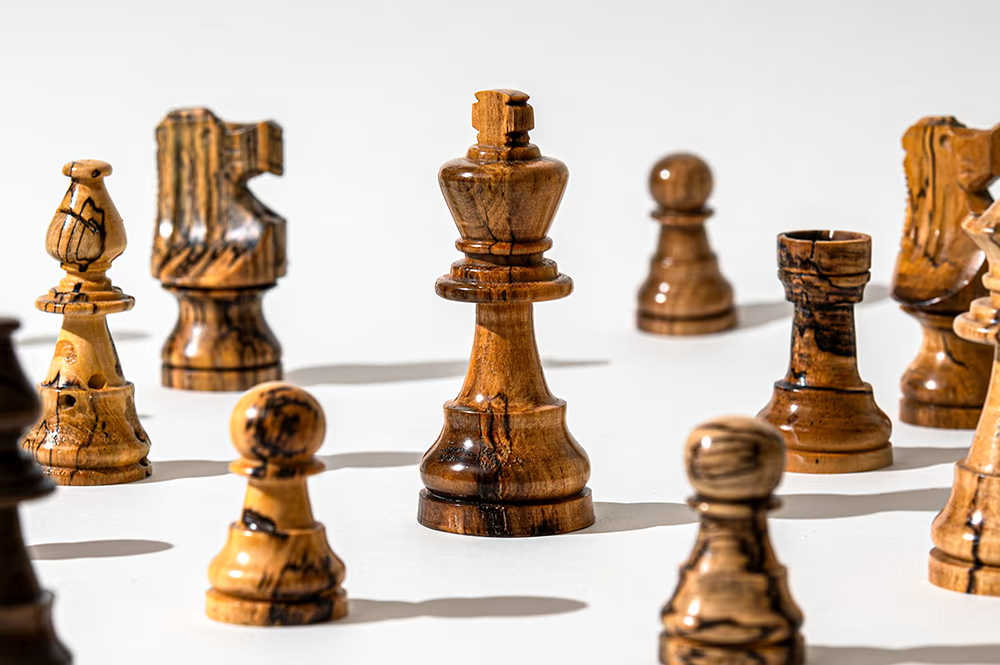
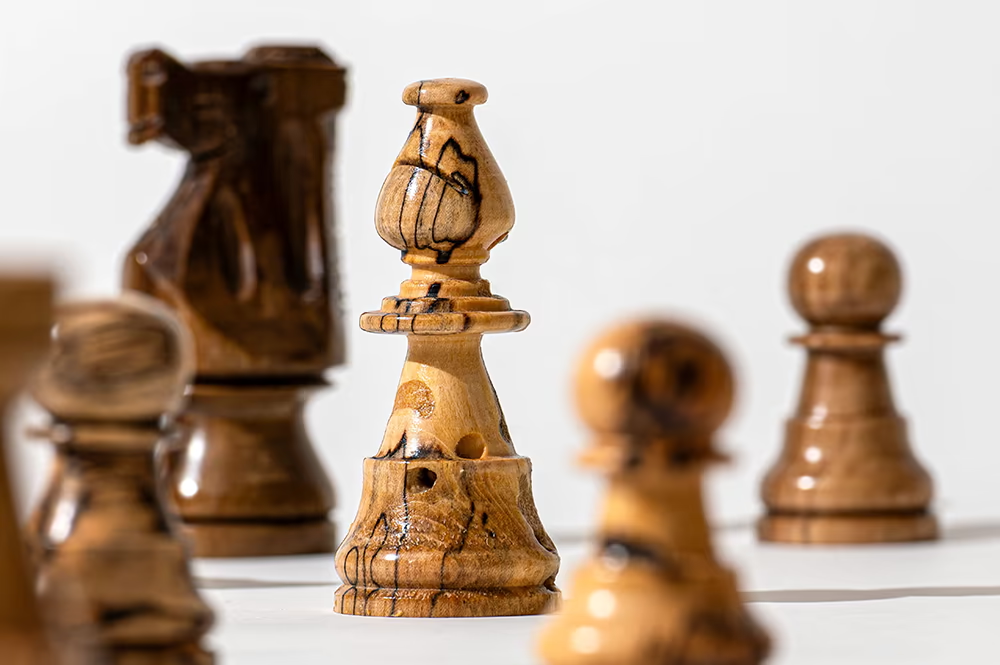
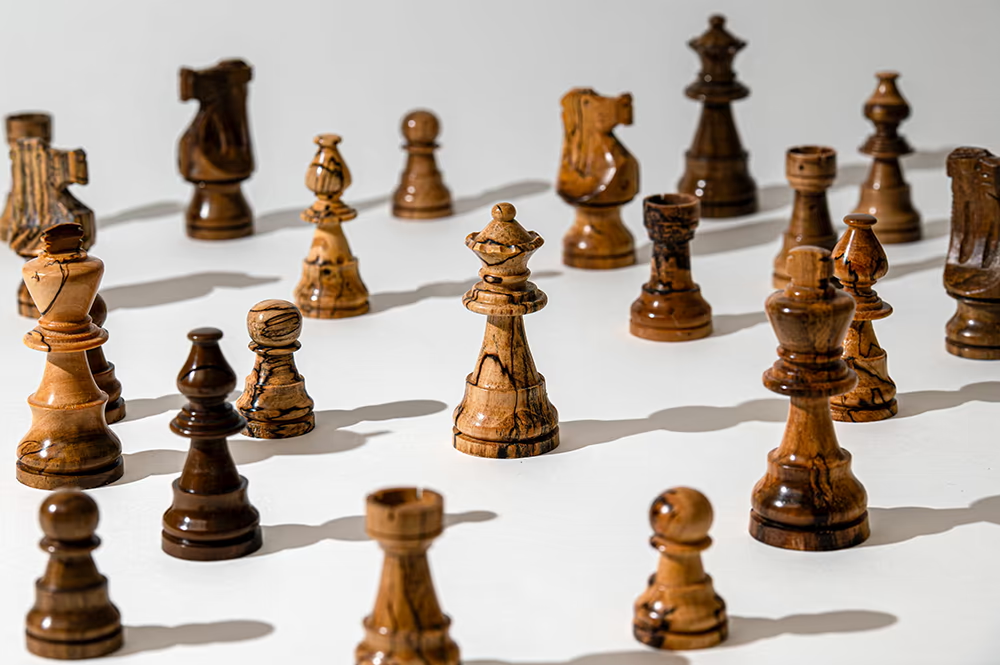
This Staunton-style chess set is made from a tulip poplar tree grown on the grounds of Monticello, the estate of Founding Father and author of the Declaration of Independence, Thomas Jefferson. The 115-foot-tall tree, thought to have been planted during Jefferson’s lifetime, was deemed a danger to the house in 2009 and cut down. Its age, hollowed-out trunk, and a root disease called phytophthora contributed to the decision. The surface of the chess set features dark lines, which staff at Monticello stated were due to a chemical reaction to copper wiring previously placed in the tree to help keep it standing.
Wanting to honor the tree’s history, the staff at Monticello preserved part of the trunk for possible later display. They also hired a company to make pens and magnifying glasses from the tree’s wood. Staff members later reached out to local woodworkers and artists, allowing them to take some of the wood in exchange for Monticello selling some of the items in its gift shop to benefit educational programs. Among the products made from the wood were bowls, vases, rolling pins, and chess sets.
Kirk McCauley, the creator of this chess set, took up woodworking as a hobby. He gathered some of the tulip poplar wood and used it to create bowls. In an interview with Dailyprogress.com, he said, “I think it’s the highest compliment to put your name on the bottom of a historical tree like this…I don’t know where these bowls will go to, but it’s neat to think my bowl might be around the world. It’s a great way to get my name out there.” He created three chess sets from the wood he gathered, a fitting tribute to Jefferson’s love of the game.
The tulip poplar is a tree found in the eastern United States, from parts of New York to northern Florida, and as far west as parts of Louisiana and southern Missouri. The tree’s flowers look like tulips, typically bright yellow, but can also be green or orange. The wood used to be referred to as a hardwood, yet has since been designated midwood, somewhere between hard and softwood. Its wood is also termite-resistant and used in all kinds of construction. It is one of the tallest-growing trees native to eastern North America, growing to an average height of 53 meters. The trees bloom from May to June each year and are favorites of the Eastern Swallowtail Butterfly as pollination stations.
Not only was Thomas Jefferson a politician and chess player, but he also had an interest in botany. This led Jefferson to plant many of these trees on his estate at Monticello, calling them the “Juno of our groves” in a letter about his homestead. While preparing Merriweather Lewis for his exploration west of the Mississippi River, Jefferson had him study plants, which proved a great help when Lewis collected specimens during the journey.
Thomas Jefferson and Chess
Thomas Jefferson loved chess and often referenced it in his writings. He sometimes invited the recipients of his letters to play chess. Thomas Jefferson owned chess books by François-André Danican Philidor, the Italian chess player and writer Gioachino Greco, and the chess pioneer Philipp Stamma. He also owned a number of chess sets, some of which are still at his estate in Monticello. It is well known that Jefferson taught his children and grandchildren to play chess, and many of those grandchildren remembered his teachings their whole lives.
There are two chess sets on view at Monticello today. One of these is a French ivory set. One side of the chess set is dyed red, while the other retains the classic ivory color. The undyed pieces are carved to represent French figures, while the red pieces represent sub-Saharan African figures.
Many founding fathers of the United States were avid chess players, including Benjamin Franklin, who wrote an essay about the game titled “The Morals of Chess.” Thomas Jefferson wrote about Franklin’s chess skills as well. There are sources that recall Jefferson’s chess matches against James Madison, who also played against John Quincy Adams. Aaron Burr, Jefferson’s vice president, was also an enthusiastic chess player. George Washington’s win at the Battle of Trenton even has chess credited as a factor aiding in the success.
About the owners: Dr. Jeanne Cairns Sinquefield and Rex Sinquefield
Dr. Jeanne Cairns Sinquefield and Rex Sinquefield are the co-founders of the Saint Louis Chess Campus and 2020 inductees to the U.S. Chess Hall of Fame. The couple shares a passion for the history of chess and has a collection of artwork and historical artifacts related to the game. Among the highlights of these items is a collection of artifacts that once belonged to the American World Chess Champion Bobby Fischer, including many of his study materials for the 1972 World Chess Championship and the pieces used in Game 3 of that championship. Some of the study materials are on view in the WCHOF’s current exhibition Game Plan: The Strategy of Chess & Sports.
Connect with our Collections: American History Through Chess Sets
There are many chess sets in the World Chess Hall of Fame & Galleries’ collection relating to American history and world politics. A recurring theme in chess set design is conflict or war between two sides. Many chess sets are created to commemorate famous battles, wars, or other political conflicts, such as elections or clashes of world powers.
One popular style of chess set during the Cold War included leaders of the United States and the Soviet Union as pieces, and the WCHOF owns many versions of this style of set. Our collection also houses many American Revolutionary War and American Civil War chess sets. We have chess sets used for gameplay during many major wars, including World War II, from soldiers stationed all over the world and on the home front. There are chess sets depicting specific presidential elections and our founding fathers. Companies used the United States bicentennial in 1976 to produce many chess sets celebrating the country’s 200th anniversary.
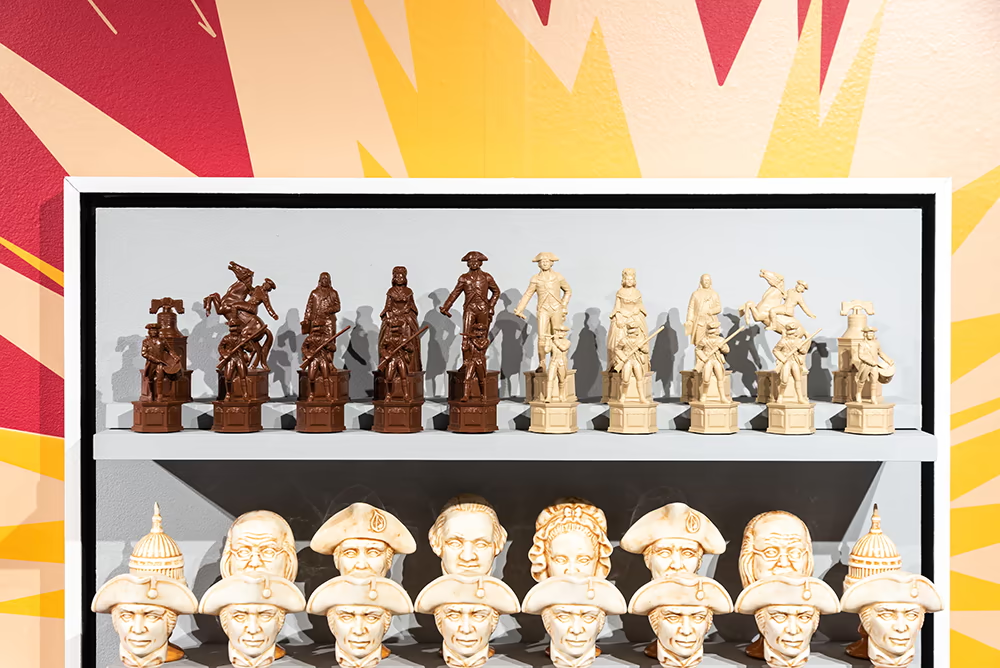
One of the bicentennial chess sets in the World Chess Hall of Fame’s collection is a plastic set depicting the Revolutionary era. It was part of the World Chess Hall of Fame’s 2020 exhibit, Power in Check: Chess and the American Presidency. The pieces include George and Martha Washington, Benjamin Franklin, Paul Revere, and the Liberty Bell.
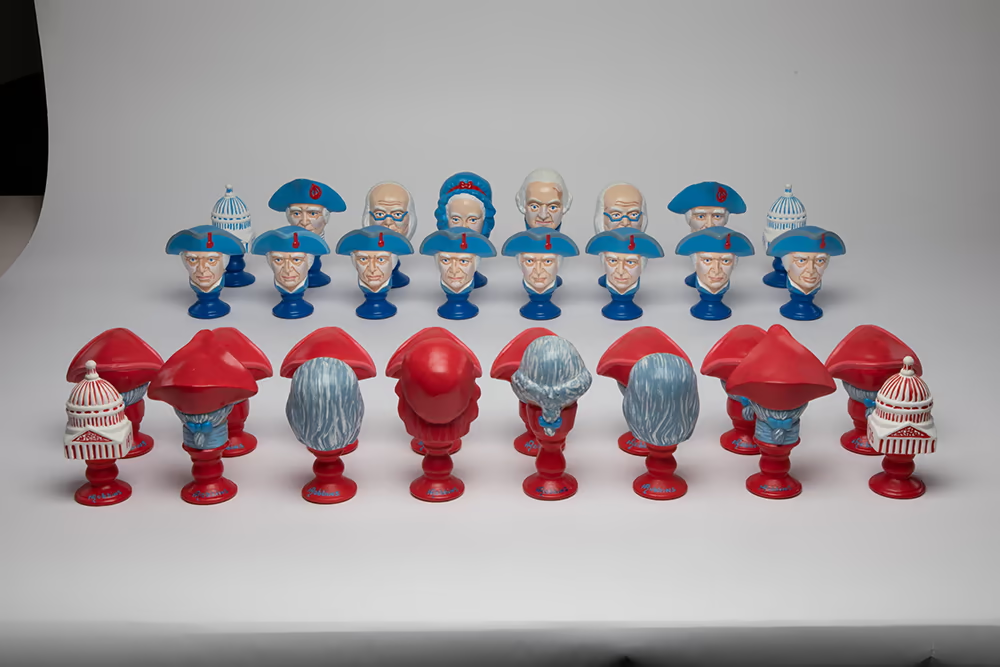
Another bicentennial chess set includes busts of American leaders from 1776, created in 1976 to celebrate the 200th anniversary of the signing of the Declaration of Independence. It was also featured in the 2020 exhibit Power in Check. This set is made of plaster, with the figures the same on each side.
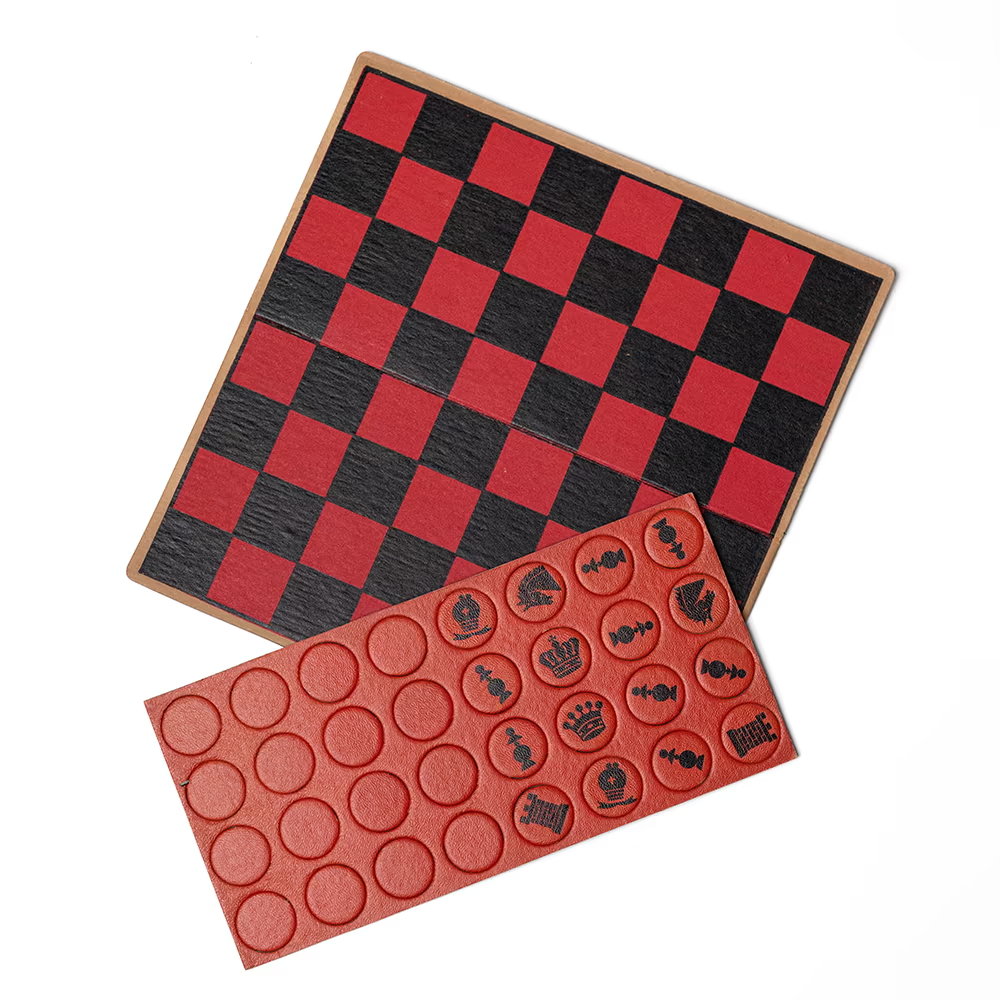
An example of a wartime chess set was part of the Featured Chess Set program in March 2025. It was distributed by the Women’s Victory League of New York during World War II. Sets such as these would be given to soldiers to take overseas when deployed. The League would host all kinds of events for servicemen in communities on the home front that would fundraise the care packages sent overseas that included these chess and checkers sets, cigarettes, books, magazines, and much more.
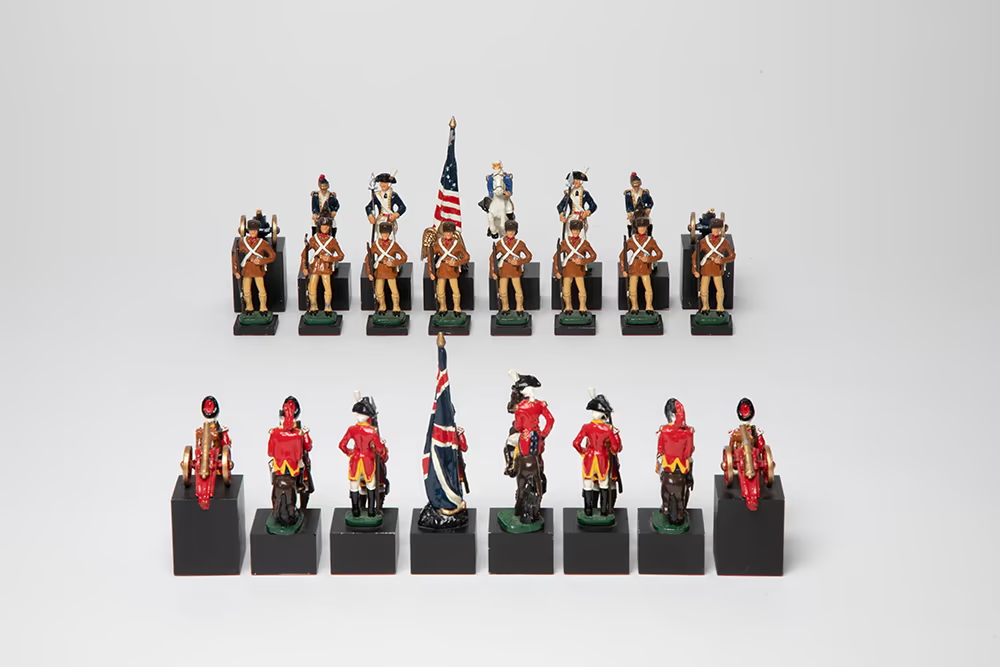
Studio Anne Carlton, a British chess set manufacturer, has produced a few different American Revolutionary War chess sets. Here is one such set, which was part of the Featured Chess Set program in 2014. The hand-painted figures depict the 1781 surrender of British General Cornwallis to General George Washington, who later became the first president of the United States. This surrender was the final battle in the American Revolutionary War, which finalized the independence of America’s original 13 colonies from the British Empire.
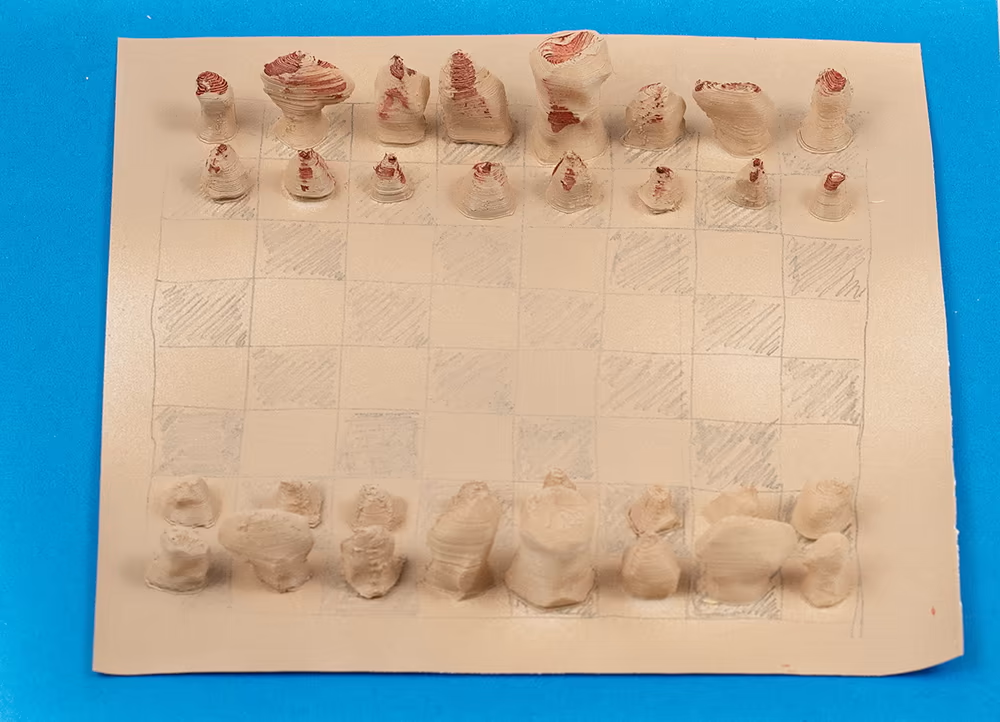
Another chess set depicting American history features connections to the Freedom Riders of the Civil Rights era. It was the February Featured Chess Set in 2020. This set is a 3D-printed replica of a chess set created by Carol Ruth Silver, a Freedom Rider and Civil Rights activist. The original chess set was made by Carol Ruth Silver while in prison from bread and saliva.
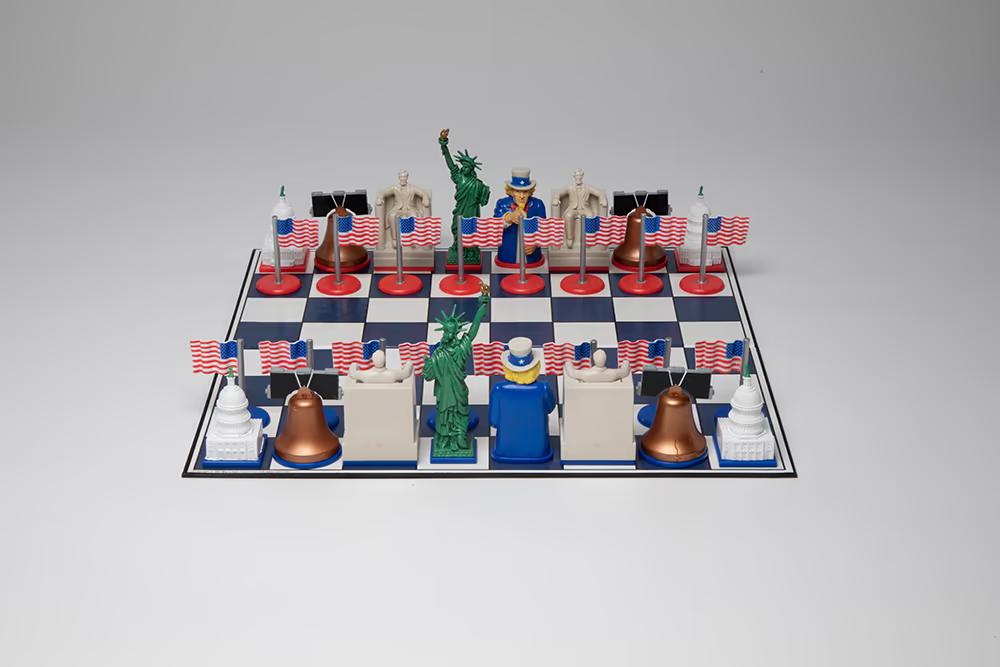
The Big League Promotions Corporation makes many themed plastic chess sets. Some sports-themed sets are on the third floor of the World Chess Hall of Fame’s current exhibition, Game Plan: The Strategy of Chess & Sports. One set made by the company around 2001 is the USA Chess Set. It includes American flags as the pawns, with iconic monuments and symbols as the back rank.
FAQs
How can I participate in the Featured Chess Set Project?
Saint Louis area residents can email WCHOF curator Emily Allred at [email protected] or call 314.243.1543 if they are interested in participating in the Featured Chess Set project. Please include photos and a brief description of the set you would like to loan. Each set will be displayed on the third floor of the WCHOF and will be highlighted in the WCHOF’s monthly newsletter, website, and social media.
How can I see this month’s featured set?
Visit the WCHOF to see the sets in this rotating display yourself. From 3D-printed chess sets to one-of-a-kind artistic creations, the Featured Set Project shows how the ancient game has inspired artists and creators for centuries. Each set is only on view for a month at a time, so visit often to see a new set!
How can I donate chess sets to the WCHOF?
Our generous donors help us preserve chess history! From mass-produced sets with pop culture themes to rare and historical pieces and sets used by everyday players, the WCHOF seeks to obtain artifacts that show the impact that the game has had on history, art, and culture. For more information about donations, email [email protected].
More From Beyond the Board
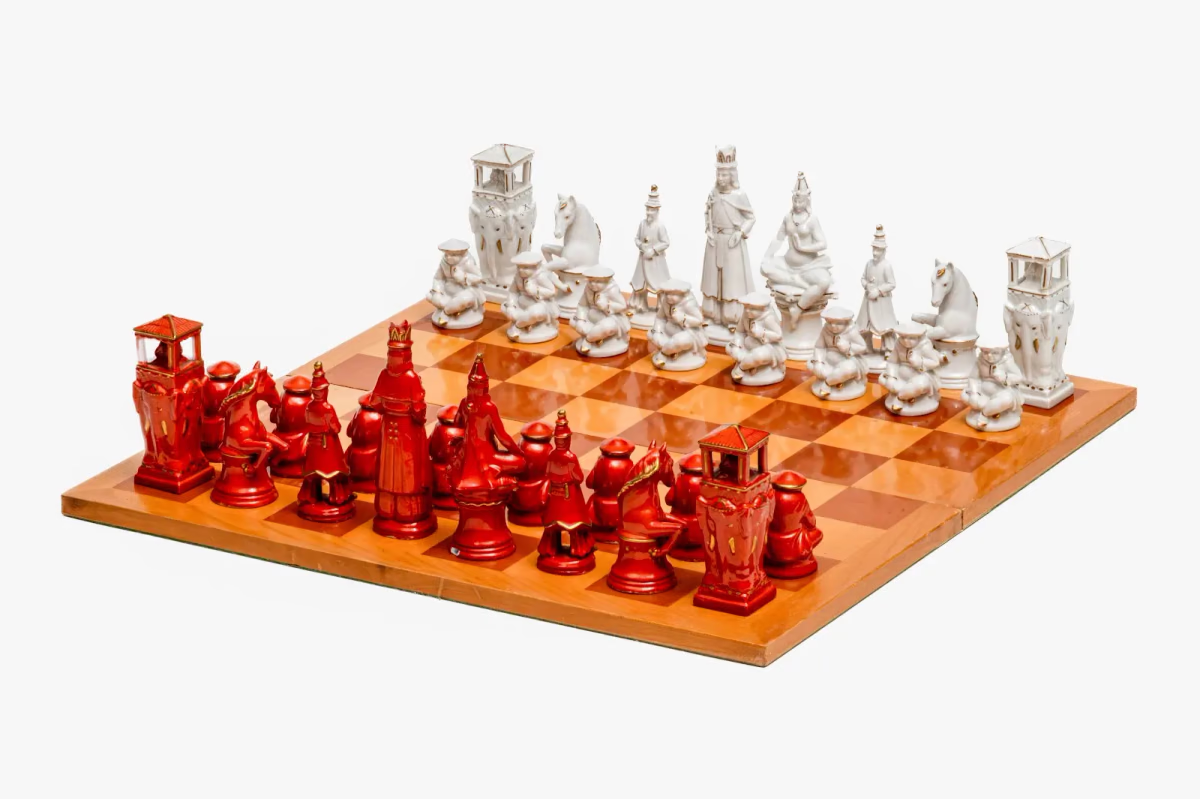
Porcelain Chess Through the Volkstedt Set
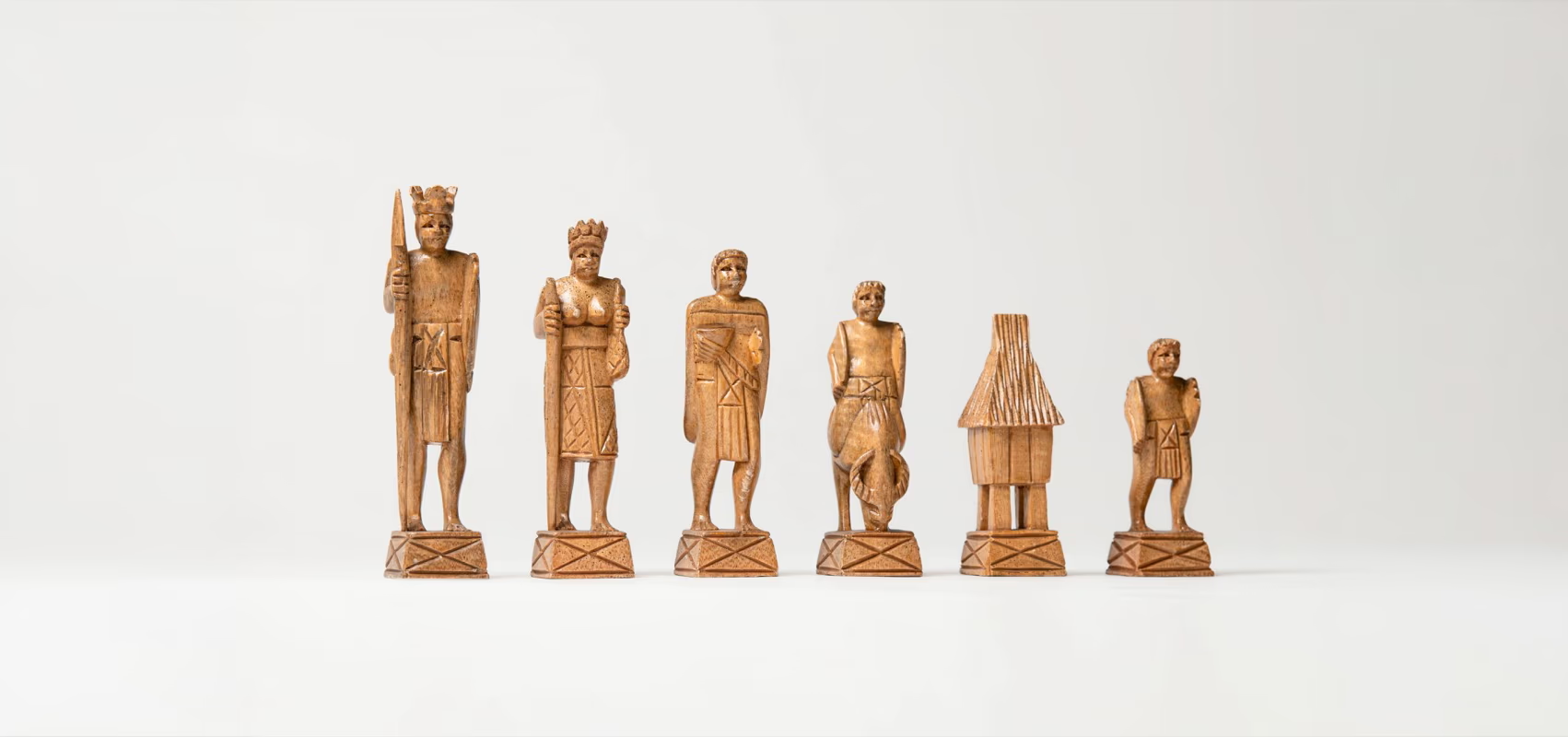
Dr. Edwin Munger and an Igorot Chess Set

Celebrating Excellence: Chess Greats to Join the 2026 U.S. and World Chess Halls of Fame in Saint Louis
The Monticello Chess Set
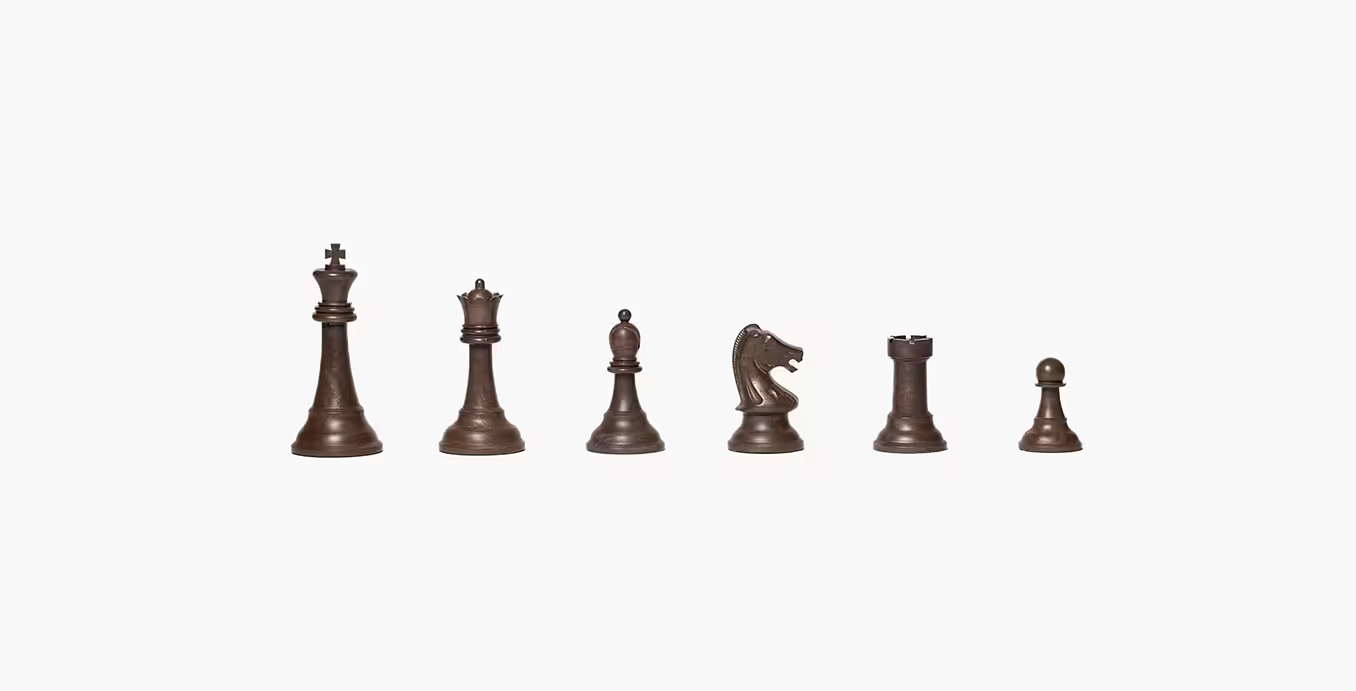
The Drueke Imperial Player’s Choice Chess Set
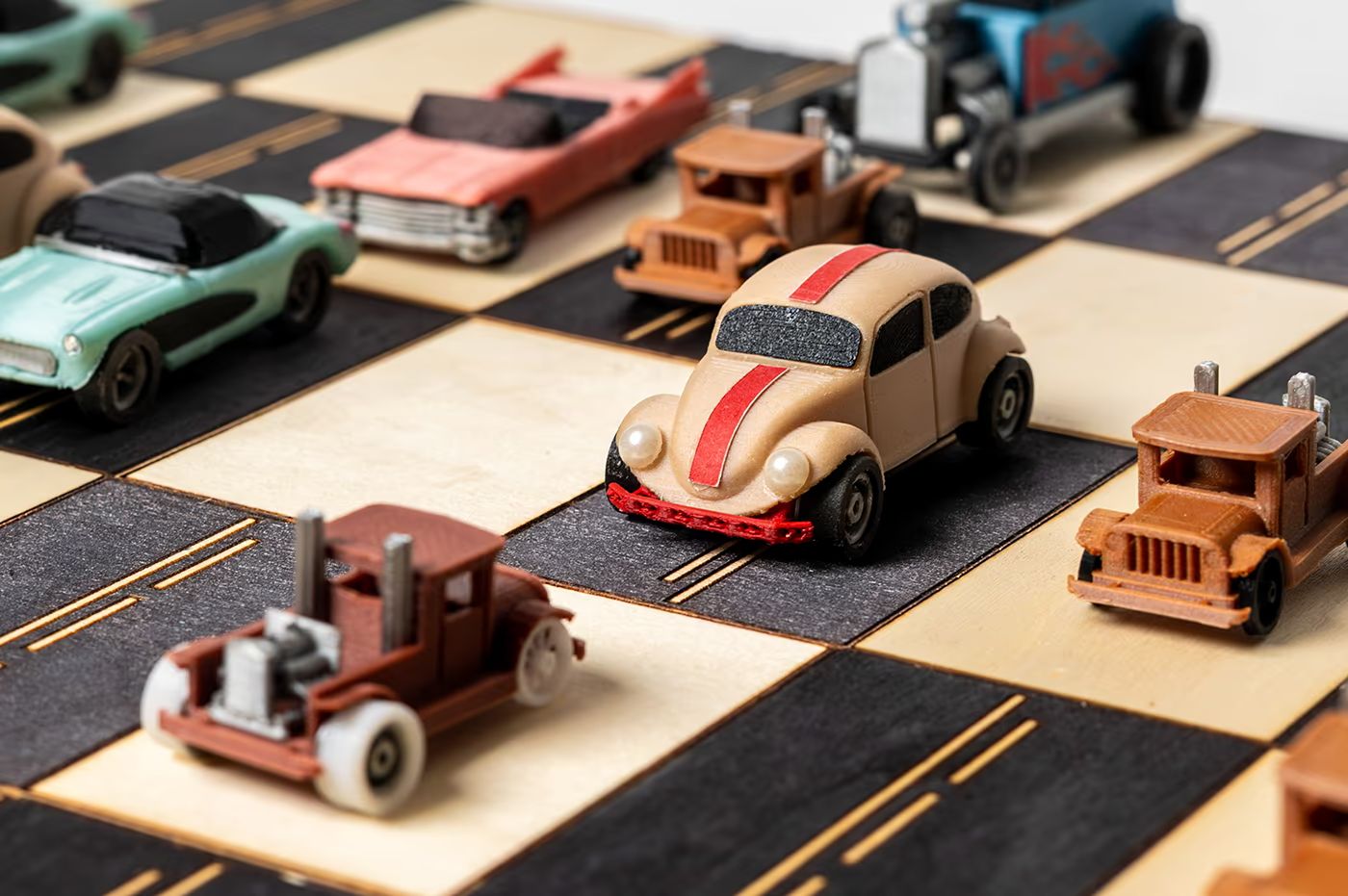
Route 66: History as a Chess Set
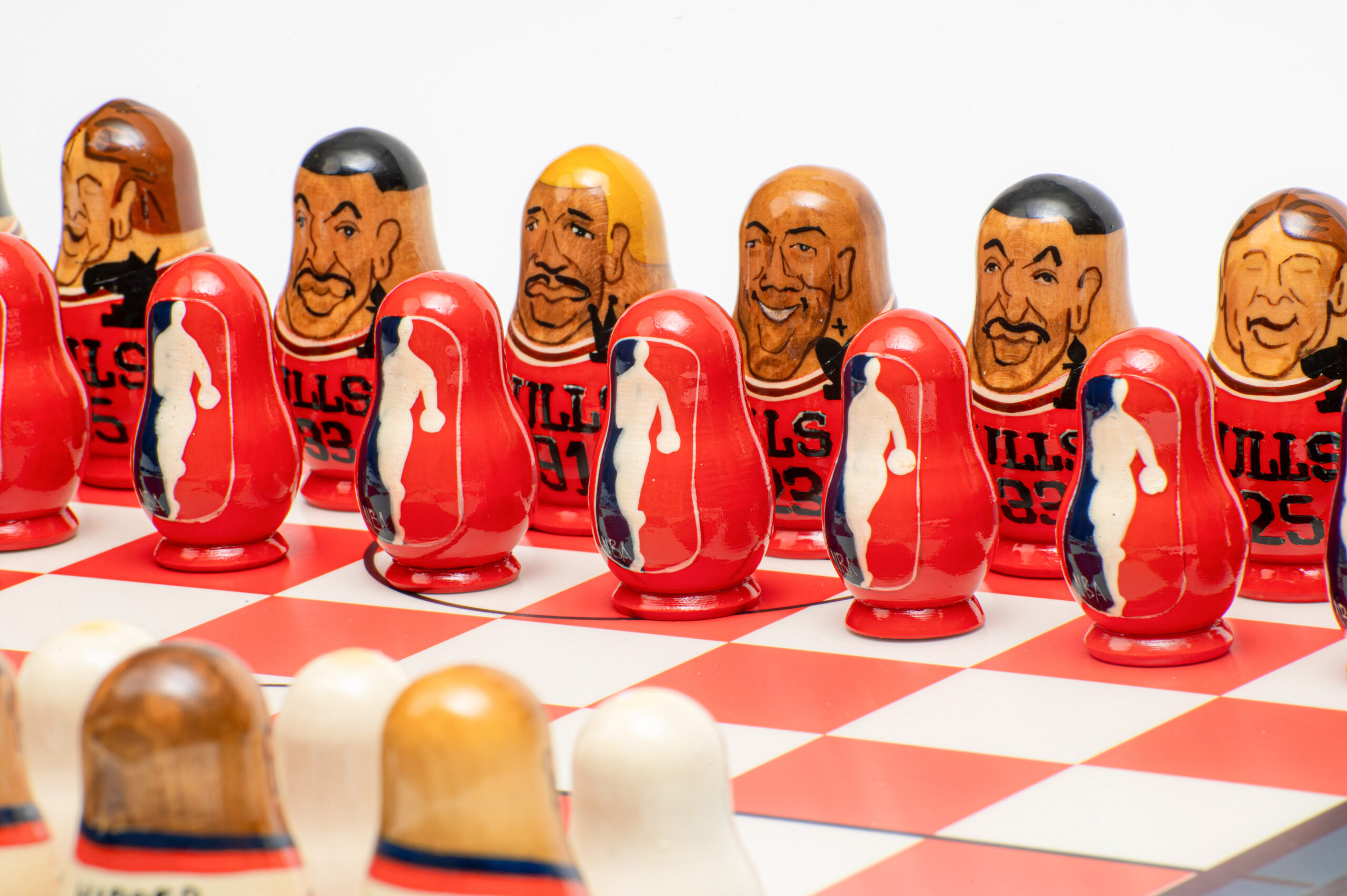
“Game Plan: The Strategy of Chess & Sports” Opens May 7 at World Chess Hall of Fame & Galleries
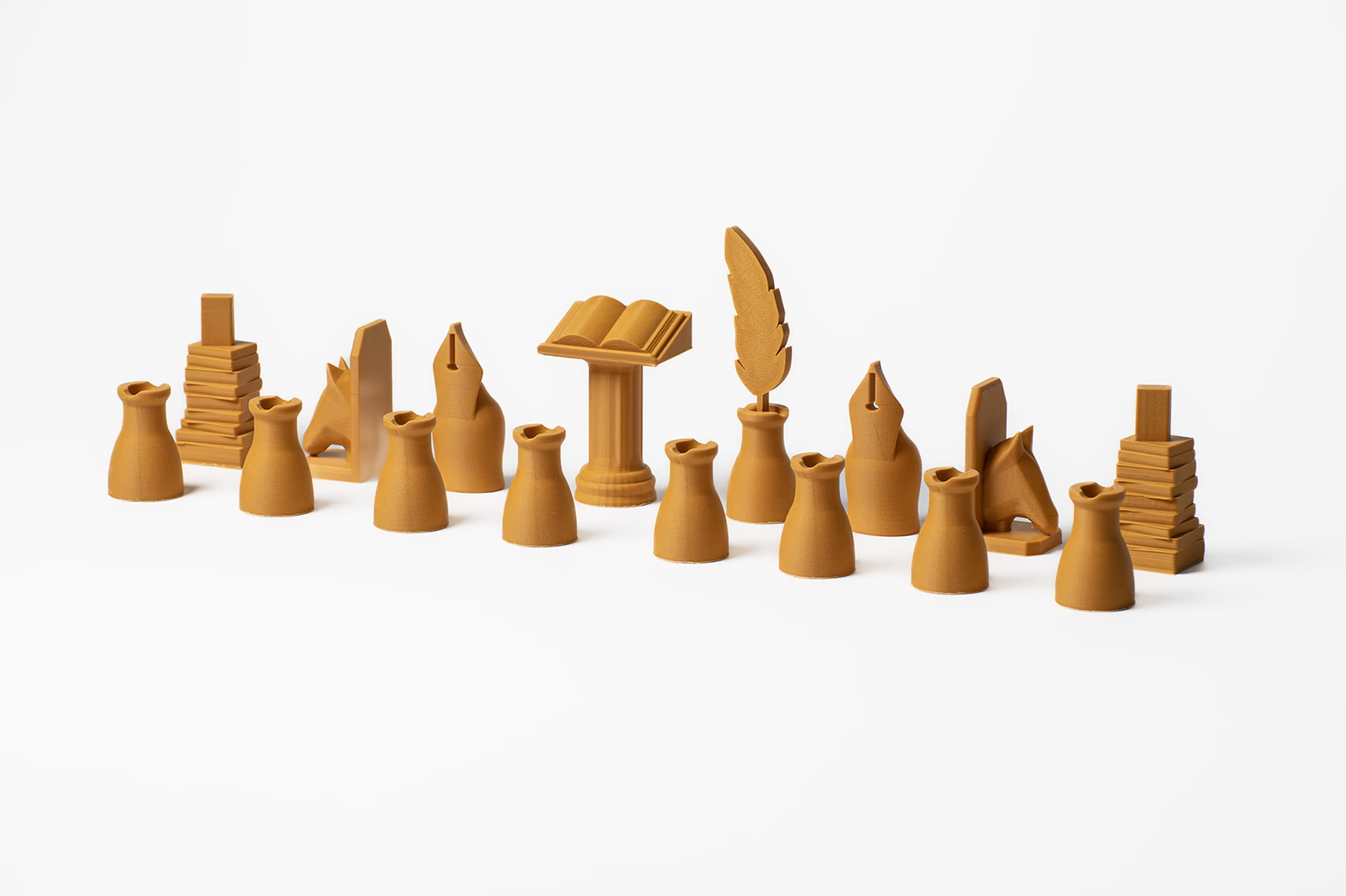
Two Timeless Pursuits: Chess and Reading
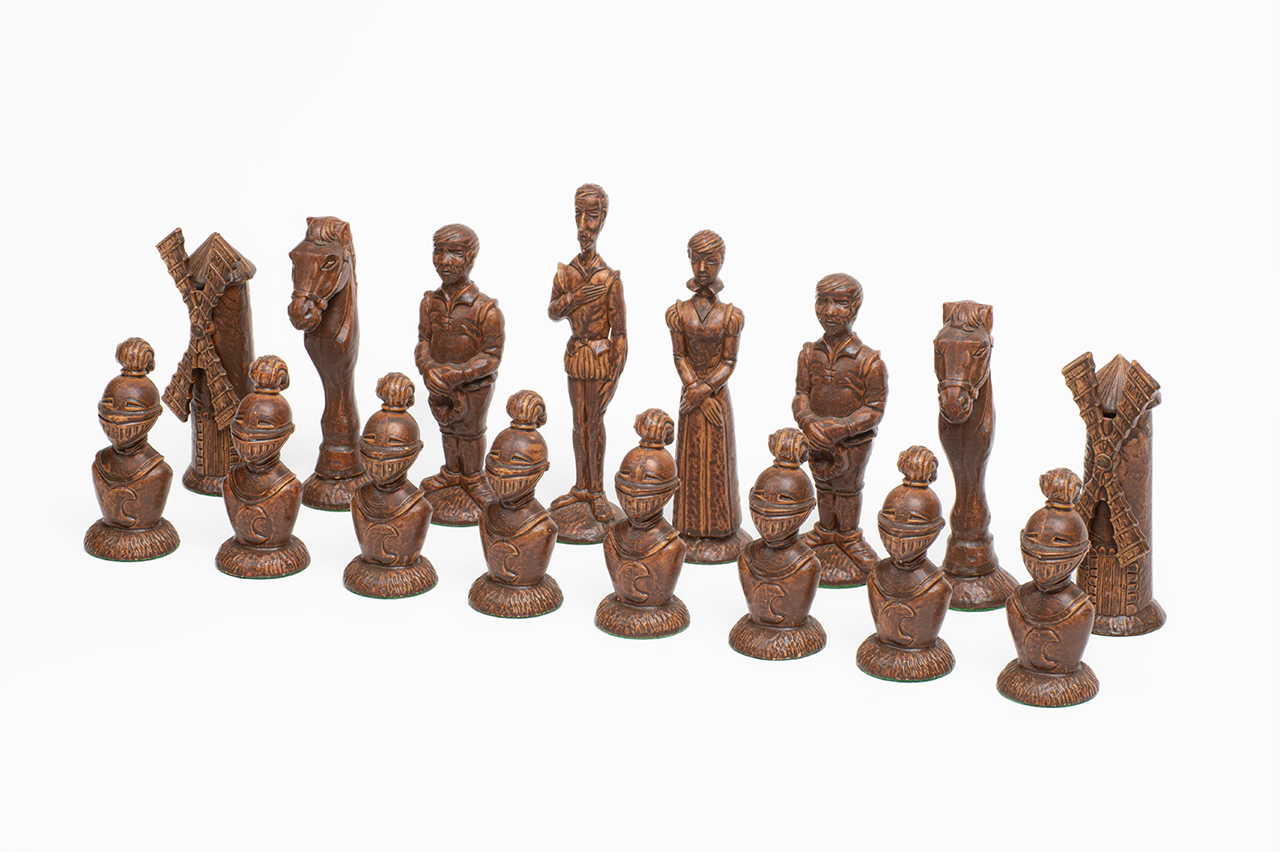
Chess in Literature: Don Quixote
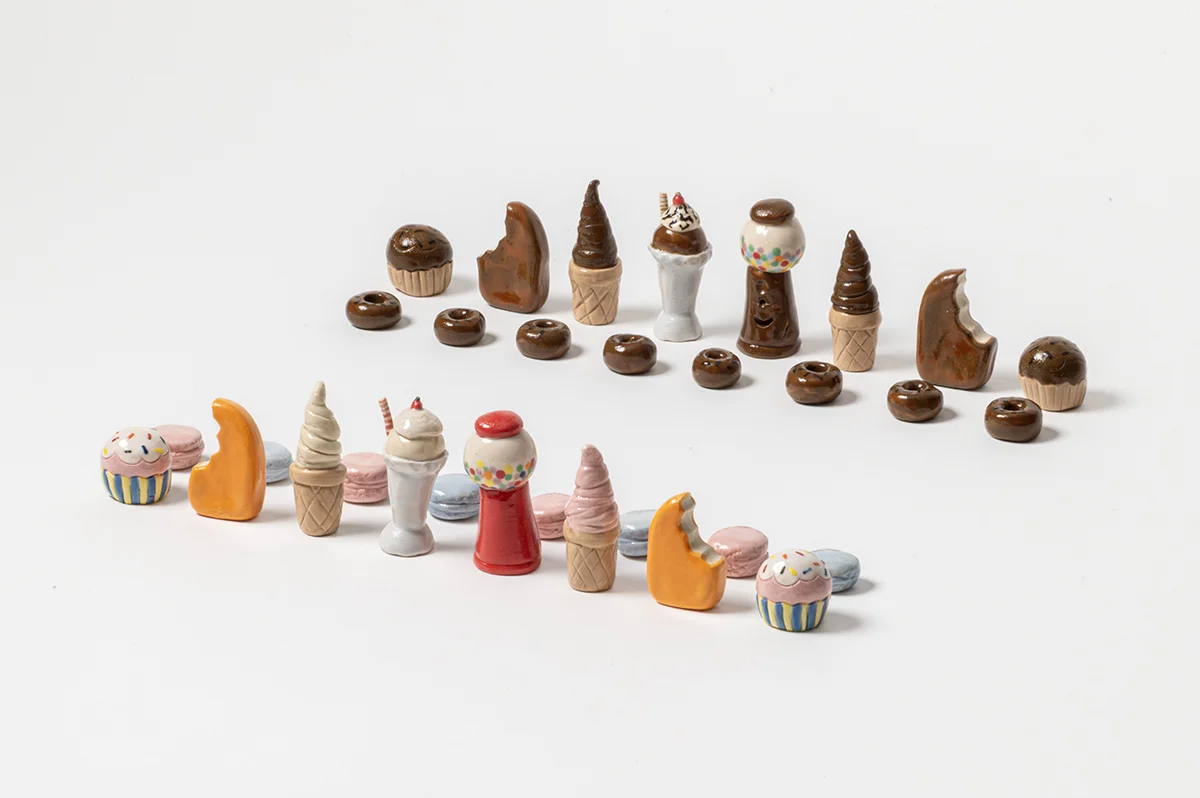
“You’re Sweet” Chess Set — February 2026 Featured Chess Set
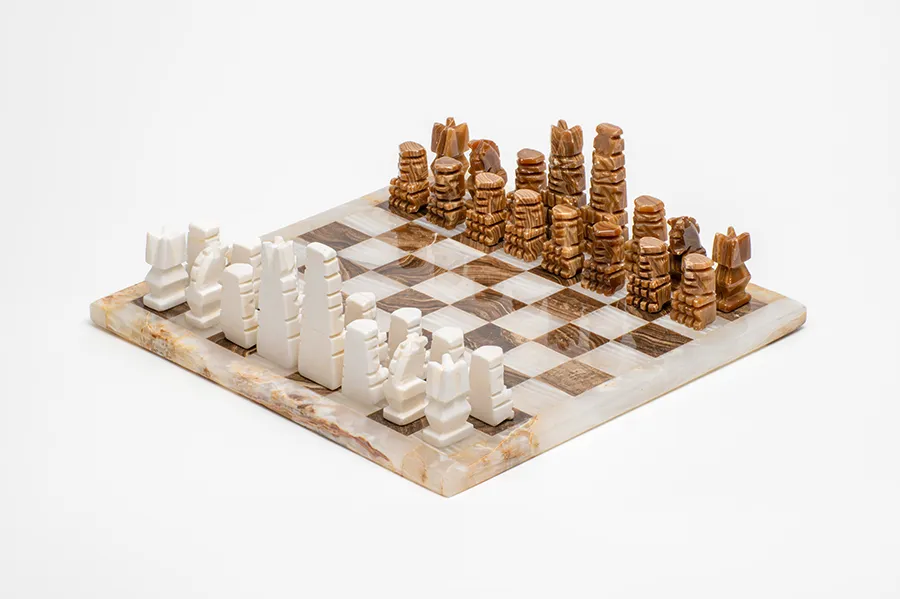
Etched in Stone: Mexican Cultural Heritage in Chess

World Chess Hall of Fame & Galleries Announces New Exhibition: Reading Between the Lines: Chess & Literature
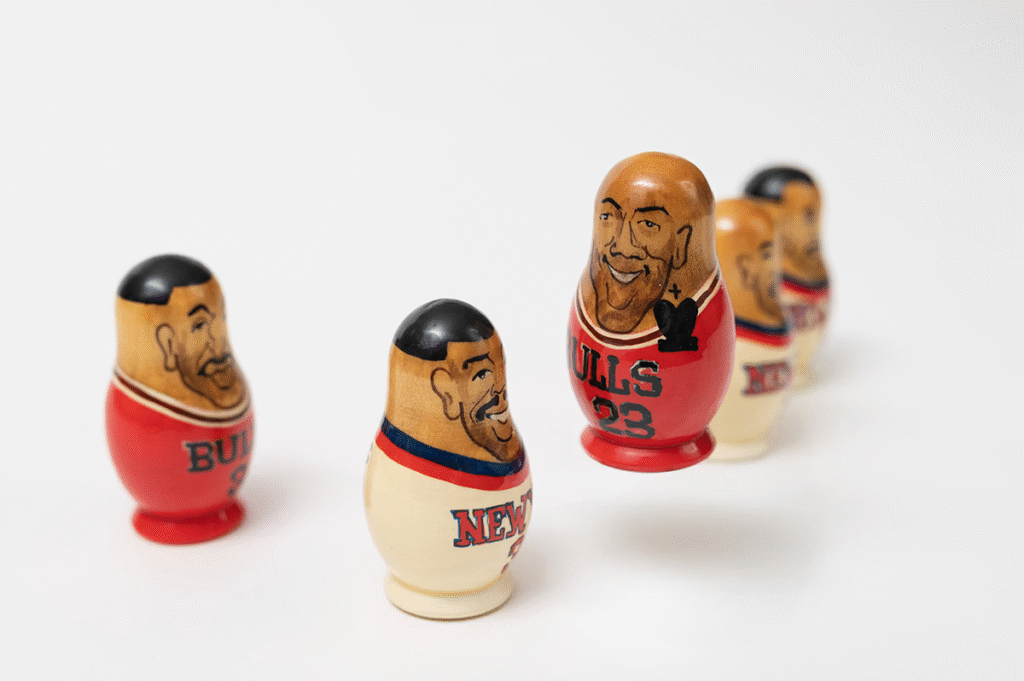
Game Plan: The Strategy of Chess & Sports
